Jiangsu Xindake Connection Technology Co., Ltd. offers you free information and the latest news on battery connectors, battery pack inserts, e-bike battery nickel strips, nickel-plated strips and more. Stay tuned!
Jiangsu Xindake Connection Technology Co., Ltd. offers you free information and the latest news on battery connectors, battery pack inserts, e-bike battery nickel strips, nickel-plated strips and more. Stay tuned!


Car battery nickel plateWhat position does it hold in the use of automobiles? In fact, many batteries today are lithium-ion batteries. These batteries have numerous advantages such as high energy density, long cycle life, low self-discharge, no memory effect, and environmental friendliness. They have already been widely used in consumer electronics such as smartphones, smart bracelets, digital cameras, and laptops, with very high consumer demand. At the same time, they are gradually being promoted in the fields of pure electric, hybrid electric, and extended-range electric vehicles, with a very significant growth trend in market share.
In addition, lithium-ion batteries also have a good development trend in large-scale energy storage fields such as grid peak shaving, home distribution, and communication base stations.
Lithium-ion batteries are mainly composed of the cathode, anode, electrolyte, and separator. The choice of anode material directly affects the energy density of the battery. Metallic lithium has a low standard electrode potential (−3.04 V vs. SHE) and a very high theoretical specific capacity (3860 mA·h/g), making it the first choice for anode materials in lithium secondary batteries. However, it easily forms dendrites during the charge and discharge processes, creating 'dead lithium,' which reduces battery efficiency and also poses serious safety risks, and therefore has not been used in practical applications.
It was not until 1989 that Sony's research discovered that petroleum coke could be used to replace metallic lithium, truly pushing lithium-ion batteries toward commercialization. In the subsequent development process, graphite, due to its relatively low and stable lithium intercalation potential (0.01–0.2 V), high theoretical specific capacity (372 mA·h/g), low cost, and environmental friendliness, occupied the main market for lithium-ion battery anode materials. In addition, lithium titanate (Li4Ti5O12), although having a lower capacity (175 mA·h/g) and a higher lithium intercalation potential (1.55 V), is structurally stable during charge and discharge processes, making it a 'zero-strain material.' Therefore, it has certain applications in power batteries and large-scale energy storage, occupying a small market share. As the demand for higher energy density in lithium-ion batteries increases, silicon materials and metallic lithium will be the future development trends for anode materials.
The above content has been compiled and issued for you by the editor of Wuxi Xindake. Yixing Xindake New Energy Technology Co., Ltd. is located by the beautiful Taihu Lake, with convenient transportation and relatively favorable stamping processing prices. It is a professional copper busbar manufacturer producing high and low voltage components such as copper foil flexible connectors and stamped parts.
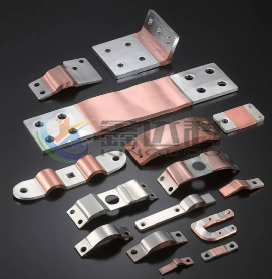
Copper and aluminum busbars are widely used in battery packs. Nowadays, the busbars are mostly made of multilayer copper foil/aluminum foil laminates as the base material, and are fabricated through a...
2026-08-05 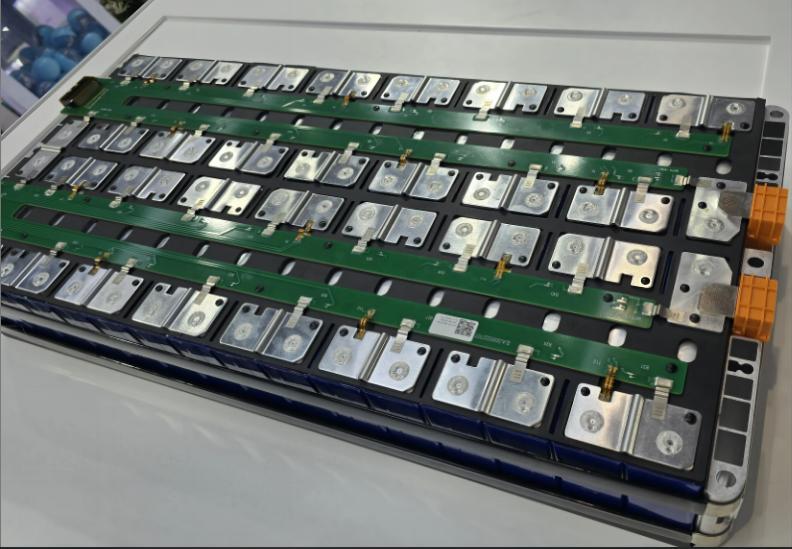
The CCS integrated busbar is mainly composed of signal acquisition components (such as FPC, PCB, FFC, etc.), plastic structural parts, nickel strips, copper busbars, aluminum busbars, etc. These are c...
2025-08-15 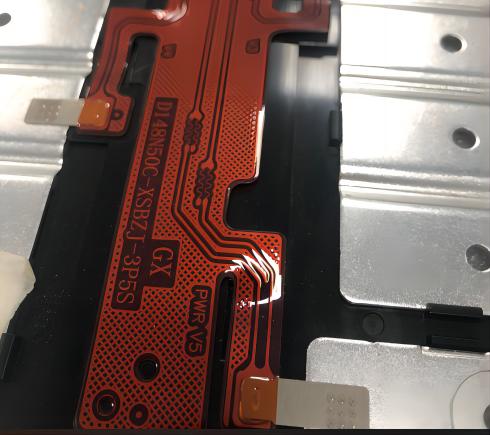
Nickel is a metal with significant industrial value, with a melting point of 1453°C, a boiling point of 3075°C, and a specific gravity of 8.8 g/cm³. It has excellent corrosion resistance, is not easil...
2025-08-15 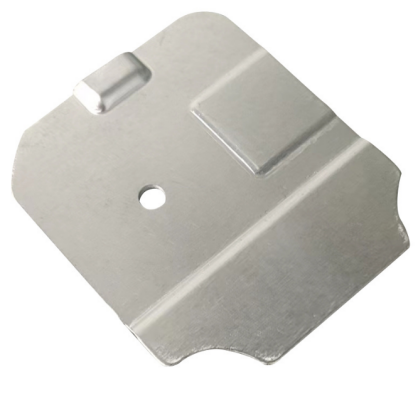
Product Name: Power battery soft aluminum busbar, battery module welding flexible connector aluminum busbar, battery soft aluminum busbar Product Material: 1060 O-temper aluminum foil strip, aluminum ...
2023-05-04Phone:
0510-87183933