Jiangsu Xindake Connection Technology Co., Ltd. offers you free information and the latest news on battery connectors, battery pack inserts, e-bike battery nickel strips, nickel-plated strips and more. Stay tuned!
Jiangsu Xindake Connection Technology Co., Ltd. offers you free information and the latest news on battery connectors, battery pack inserts, e-bike battery nickel strips, nickel-plated strips and more. Stay tuned!


Lithium battery materialsIt can be said that it is a type of battery material that is now very widely used, and its main components include the positive electrode material, negative electrode material, separator, and electrolyte. What exactly are these four component materials? Electricity requires a positive and negative electrode to be generated, and a current will flow only when the positive and negative electrodes are connected. What materials make up the positive and negative electrode materials? Lithium-ion batteries are a new generation of high-performance green high-energy batteries and have become one of the focuses of high-tech development.
Lithium battery materials mainly consist of: cathode material, anode material, separator, and electrolyte.
1. Among cathode materials, commonly used materials include lithium cobalt oxide, lithium manganese oxide, lithium iron phosphate, and ternary materials (a polymer of nickel, cobalt, and manganese). Cathode materials account for a relatively large proportion (the mass ratio of cathode to anode materials is 3:1 to 4:1) because the performance of cathode materials directly affects the performance of lithium-ion batteries, and their cost also directly determines the overall cost of the battery.
2. Among anode materials, current anode materials are mainly natural graphite and artificial graphite. Anode materials under exploration include nitrides, PAS, tin-based oxides, tin alloys, nano anode materials, as well as some other intermetallic compounds. As one of the four main components of lithium batteries, anode materials play an important role in improving battery capacity and cycle performance, and occupy a core position in the midstream of the lithium battery industry.
3. The commercially available diaphragm materials are mainly polyolefin diaphragms based on polyethylene (PE) and polypropylene (PP). In the structure of lithium batteries, the diaphragm is one of the key internal components. The performance of the diaphragm determines the battery's interface structure, internal resistance, and other characteristics, directly affecting the battery's capacity, cycle life, and safety. High-performance diaphragms play an important role in improving the overall performance of the battery.

4. Electrolyte is generally prepared from high-purity organic solvents, electrolyte lithium salts, necessary additives, and other raw materials under certain conditions and in certain proportions. The electrolyte serves to conduct ions between the positive and negative electrodes of a lithium battery, ensuring the lithium-ion battery achieves high voltage, high specific energy, and other advantages.
A typical lithium battery is composed of cathode materials and anode materials. Cathode materials include lithium nickelate, lithium manganate, ternary, lithium cobaltate, lithium iron phosphate, etc., while anode materials are generally amorphous carbon materials, graphitized carbon materials, silicon-based materials, nitrides, and new alloys.
In addition, if you search based on the chemical substances that make up lithium batteries, there are even more. For example, commonly used materials include electrolyte, CMC, lithium cobalt oxide, separators, PVDF, high-temperature adhesive tape, NMP, graphite-type anodes, SBR, oxalic acid, copper foil, aluminum foil, and so on; these are the constituent materials of lithium batteries.
Lithium-ion batteries have the following characteristics: high voltage, high capacity, low consumption, no memory effect, non-polluting, small size, low internal resistance, low self-discharge, and a high number of charge-discharge cycles. Because of these characteristics, lithium-ion batteries have been applied to mobile phones, laptops, camcorders, digital cameras, and many other civilian and military fields.
In recent years, policies related to lithium batteries have been introduced successively, promoting the establishment of upstream and downstream enterprises in the industry like mushrooms after rain. Lithium batteries are mainly composed of cathode materials, anode materials, separators, and electrolytes. Cathode materials account for more than 40% of the total cost of lithium batteries, and the performance of cathode materials directly affects various performance indicators of lithium batteries, so lithium battery cathode materials occupy a core position in lithium batteries.
With the continuous emergence of various new electronic products in our country, the demand for new battery materials is also constantly increasing. As technology advances, electronic products also progress, and the requirements for battery materials are rising. The market for new battery materials in our country will continue to expand. As lithium batteries represent the future direction of battery development, the market prospects for their cathode materials look promising. At the same time, the promotion of 3G mobile phones and the large-scale commercialization of new energy vehicles will bring new opportunities for lithium battery cathode materials.
Copper and aluminum busbars are widely used in battery packs. Nowadays, the busbars are mostly made of multilayer copper foil/aluminum foil laminates as the base material, and are fabricated through a...
2026-08-05 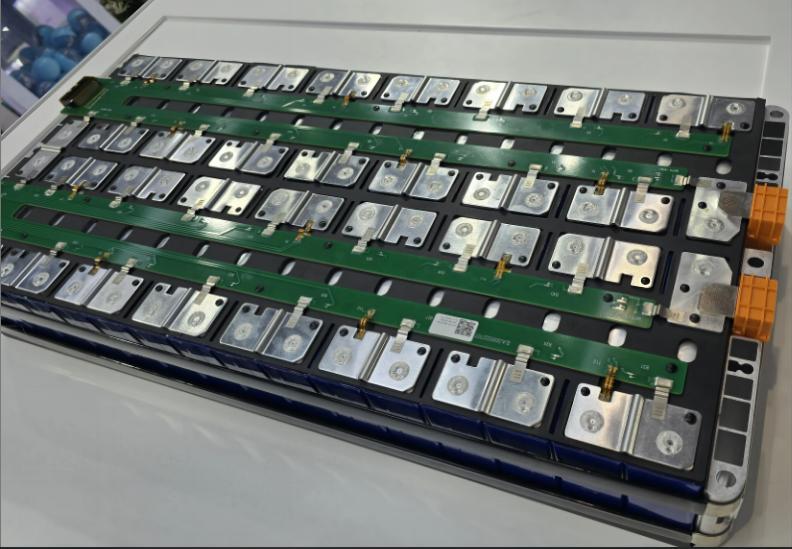
The CCS integrated busbar is mainly composed of signal acquisition components (such as FPC, PCB, FFC, etc.), plastic structural parts, nickel strips, copper busbars, aluminum busbars, etc. These are c...
2025-08-15 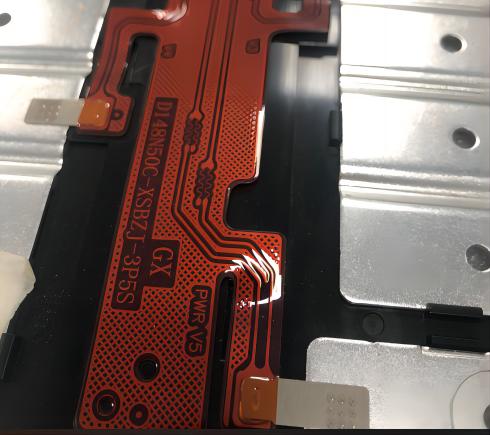
Nickel is a metal with significant industrial value, with a melting point of 1453°C, a boiling point of 3075°C, and a specific gravity of 8.8 g/cm³. It has excellent corrosion resistance, is not easil...
2025-08-15 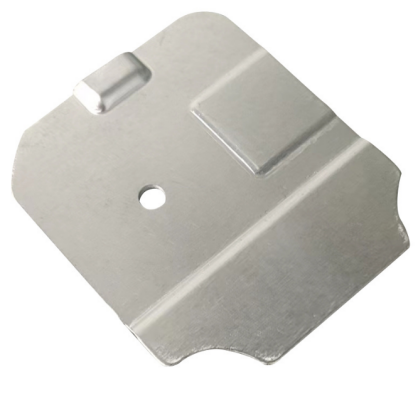
Product Name: Power battery soft aluminum busbar, battery module welding flexible connector aluminum busbar, battery soft aluminum busbar Product Material: 1060 O-temper aluminum foil strip, aluminum ...
2023-05-04Phone:
0510-87183933