Jiangsu Xindake Connection Technology Co., Ltd. offers you free information and the latest news on battery connectors, battery pack inserts, e-bike battery nickel strips, nickel-plated strips and more. Stay tuned!
Jiangsu Xindake Connection Technology Co., Ltd. offers you free information and the latest news on battery connectors, battery pack inserts, e-bike battery nickel strips, nickel-plated strips and more. Stay tuned!


Some people ask whether lithium batteries and lithium-ion batteries are the same type. However, the fact is that they are two different kinds, though it is possible to connect them together. Because lithium batteries and lithium-ion batteries are concepts that are distinct yet have a relationship of inheritance and development, it is inevitable to confuse the two types of batteries!
Lithium batteries and lithium-ion batteries are rapidly popularizing types of batteries. In literature and in real life, people have found that lithium batteries and lithium-ion batteries are sometimes similar in use and sometimes interchangeable, and the reasons for this have already been introduced above!
The so-called lithium battery is a general term for batteries that use metallic lithium as the active material of the negative electrode, whereas a lithium-ion battery refers to a secondary battery system that uses two different lithiated compounds capable of reversible lithium ion insertion and extraction as the positive and negative electrodes, respectively. The similarity between lithium batteries and lithium-ion batteries lies in the positive electrode and the electrolyte; both types of batteries use metal oxides and sulfides as the positive electrode and an organic solvent-inorganic salt system as the electrolyte.
The relationship between lithium batteries and lithium-ion batteries is a process of development. Lithium batteries are a type of substance that uses lithium metal or lithium alloys as the negative electrode material, with a chemical reaction of oxidation-reduction. Later, Sony invented a lithium battery that uses carbon material as the negative electrode and a lithium-containing compound as the positive electrode. During the charging and discharging process, no metallic lithium is present, only lithium ions, which is the lithium-ion battery.
Strictly speaking, the working mechanisms of lithium batteries and lithium-ion batteries are not the same. A lithium battery is a primary battery, also known as a lithium primary cell, which can discharge continuously or intermittently. Some lithium batteries can be used as reserve facility batteries, such as in hydroelectric, wind, and solar power applications. A lithium-ion battery, on the other hand, is a secondary battery that can be used repeatedly. Nowadays, many people habitually also call 'lithium-ion batteries' 'lithium batteries,' which is a convenient way of naming them.
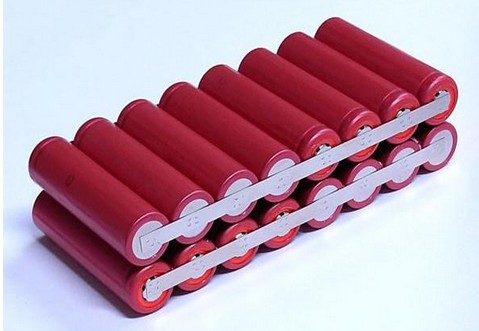
From the perspective of usage, lithium batteries and lithium-ion batteries are also different in a strict sense. The anode of a lithium battery uses metallic lithium, and the cathode uses MnO2, SOCl2, etc. After entering practical use in the 1970s, they were mainly used in some military and civilian small electrical appliances. Lithium-ion batteries have a broader range of applications, such as mobile phones, camcorders, cameras, laptops, etc. The application of high-capacity lithium-ion batteries in electric vehicles has also entered the industrialization process. From the development trends of lithium batteries and lithium-ion batteries, the application field of lithium-ion batteries continues to expand, while the application field of primary lithium batteries continues to shrink.
Lithium batteries and lithium-ion batteries may be confused in practice, but there is a fundamental difference between them: lithium-ion batteries do not involve metallic lithium in their reactions; only lithium ions move between the positive and negative electrodes. Therefore, they are also called 'rocking chair batteries.' In daily life, people can follow the common naming habits for lithium batteries and lithium-ion batteries, but this does not prevent them from understanding the theoretical difference between the two.
The widespread application of lithium batteries is also an improvement in the development of batteries, and new types of batteries are researched and improved through their application. Yixing Xindake shares this with you, and we wonder if you think it is correct. Thank you for browsing!
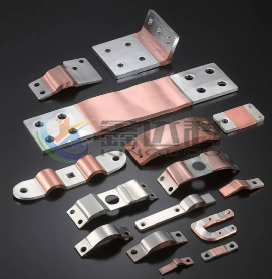
Copper and aluminum busbars are widely used in battery packs. Nowadays, the busbars are mostly made of multilayer copper foil/aluminum foil laminates as the base material, and are fabricated through a...
2026-08-05 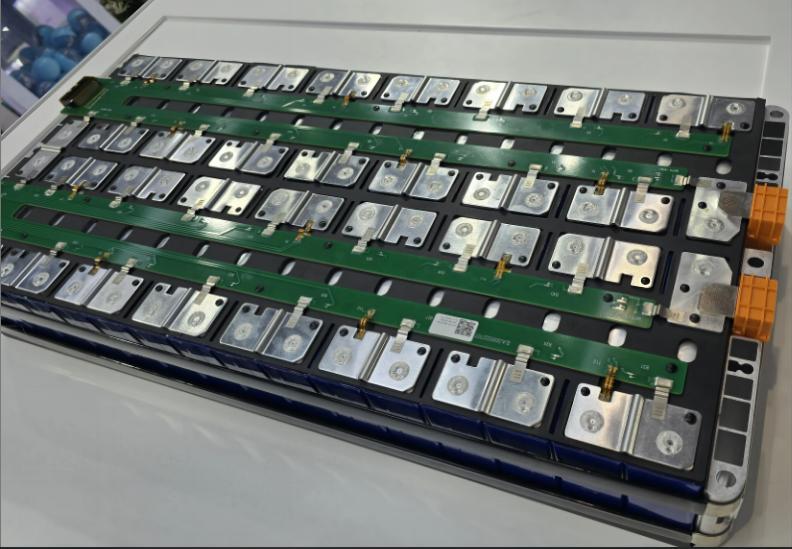
The CCS integrated busbar is mainly composed of signal acquisition components (such as FPC, PCB, FFC, etc.), plastic structural parts, nickel strips, copper busbars, aluminum busbars, etc. These are c...
2025-08-15 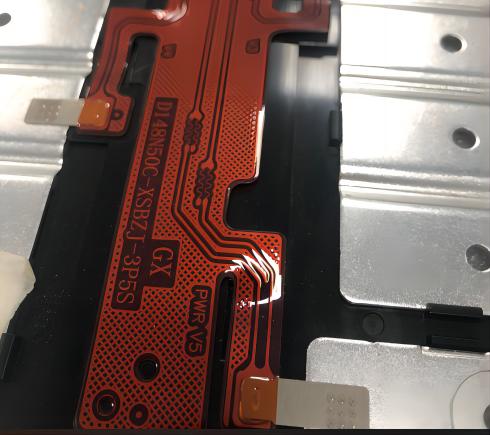
Nickel is a metal with significant industrial value, with a melting point of 1453°C, a boiling point of 3075°C, and a specific gravity of 8.8 g/cm³. It has excellent corrosion resistance, is not easil...
2025-08-15 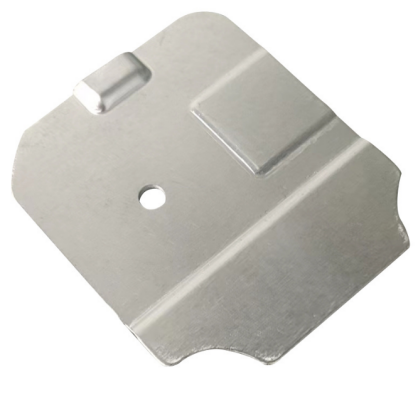
Product Name: Power battery soft aluminum busbar, battery module welding flexible connector aluminum busbar, battery soft aluminum busbar Product Material: 1060 O-temper aluminum foil strip, aluminum ...
2023-05-04Phone:
0510-87183933