Jiangsu Xindake Connection Technology Co., Ltd. offers you free information and the latest news on battery connectors, battery pack inserts, e-bike battery nickel strips, nickel-plated strips and more. Stay tuned!
Jiangsu Xindake Connection Technology Co., Ltd. offers you free information and the latest news on battery connectors, battery pack inserts, e-bike battery nickel strips, nickel-plated strips and more. Stay tuned!


In the past, electricity outages would occur in summer. The hot summer weather meant every household needed electricity, and the outages were due to many appliances being usedFor example, increased power consumption of air conditioners, fans, and refrigerators leads to excessive electricity consumption, leading to more line maintenance. Sometimes, power outages occur due to power restrictions.
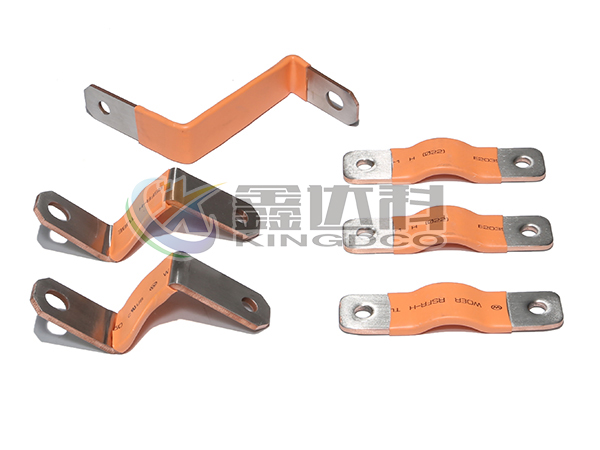
With the continuous development of the power system, the need for grounding has also increased. So, how should one choose the appropriate grounding materials? Flexible copper connections have always beenThe best choice for grounding materials. Today, let's learn about what we use when we encounter a power outage.Copper flexible connectors lap jointmethod.
(1) Conditions that must be met before installing copper flexible connectors
a. Check whether all installation tests for new equipment have been completed and are qualified. Copper foil flexible connectors
b. The isolation knife switch must be in the disconnected position; both electric and manual closing must be fully locked, and a sign reading "No Closing Allowed, Staff Operating" must be hung.
(2) The installation of busbars requires the corresponding busbar to be powered off, so the reverse busbar operation method is used to install them separately. In all equipment within the station (except for the busbars and those connected to them)After the equipment installation and adjustment are completed (including all connectable wires), contact operations to perform the bus transfer. First, stop bus A, and then complete the installation and adjustment of equipment on bus A and the bus itself., set the isolator switch to the trip position and lock it with a hanging sign. After passing inspection, apply for switching operation to bring power to the busbar; then stop the second bus, and the installation sequence of the second busThe installation sequence is the same as that of mother A.
(3) Specific steps
1. Shut off the power of Busbar A and, after power off, use reliable specialized voltage detection equipment to verify there is no voltage on the busbar, and hang ground wires. Lock the knife switch and hang a "Live" sign.Post a 'Work in Progress, Do Not Close' sign, and assign a dedicated person to watch over it.
2. According to the design drawings, calculate and measure the length of the tube mother to be cut, set up the work platform with scaffolding, and attach the tube mother part to the crane hook.This ensures the tube mother will not fall off after cutting.
4. Remove the original tube end ball and cut off the excess tube, then install the end cap at the remaining tube nut endpoints.
5. Remove the busbar fastening fittings on the busbar insulator, retrofit the copper flexible connector expansion joint, and attach the original copper flexible connector to the expansion joint.
6. Starting from the newly installed copper flexible connector expansion joint, install the newly built interval aluminum bus duct according to relevant requirements. After installation, use a flexible connector to connect the two sections of the bus duct.Come.
7. After installation, request inspection and, if passed, supply power to Busbar A while Busbar B remains off. The installation steps for Busbar B are the same as for Busbar A.
That's the method shared by the editor for lapping through copper flexible connectors. I hope this helps you—you might be able to use this during a power outageWhere to find it! If you want copper flexible connectors, then it’s Yixing Xindake New Energy Technology Co., Ltd. Our company specializes in copper foil flexible connectors, copper busbar manufacturing, and stamping parts.Processing prices, etc. Thank you for your browsing and support!
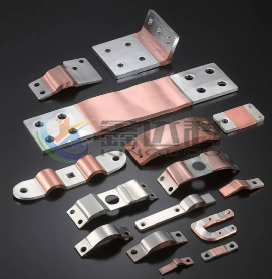
Copper and aluminum busbars are widely used in battery packs. Nowadays, the busbars are mostly made of multilayer copper foil/aluminum foil laminates as the base material, and are fabricated through a...
2026-08-05 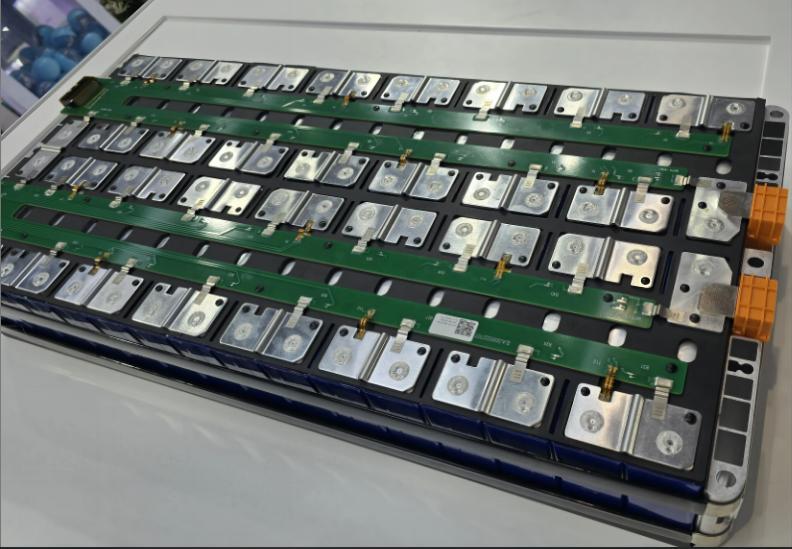
The CCS integrated busbar is mainly composed of signal acquisition components (such as FPC, PCB, FFC, etc.), plastic structural parts, nickel strips, copper busbars, aluminum busbars, etc. These are c...
2025-08-15 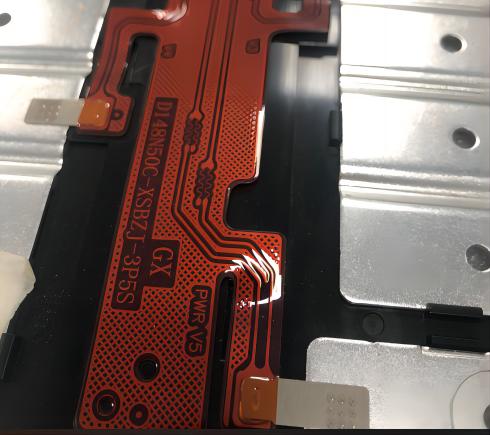
Nickel is a metal with significant industrial value, with a melting point of 1453°C, a boiling point of 3075°C, and a specific gravity of 8.8 g/cm³. It has excellent corrosion resistance, is not easil...
2025-08-15 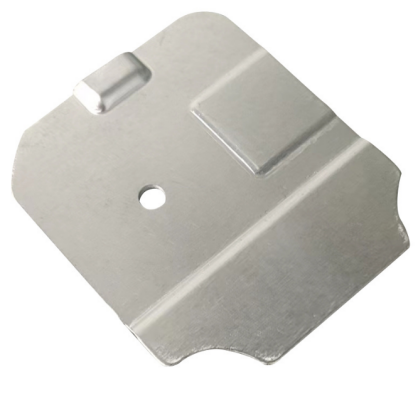
Product Name: Power battery soft aluminum busbar, battery module welding flexible connector aluminum busbar, battery soft aluminum busbar Product Material: 1060 O-temper aluminum foil strip, aluminum ...
2023-05-04Phone:
0510-87183933