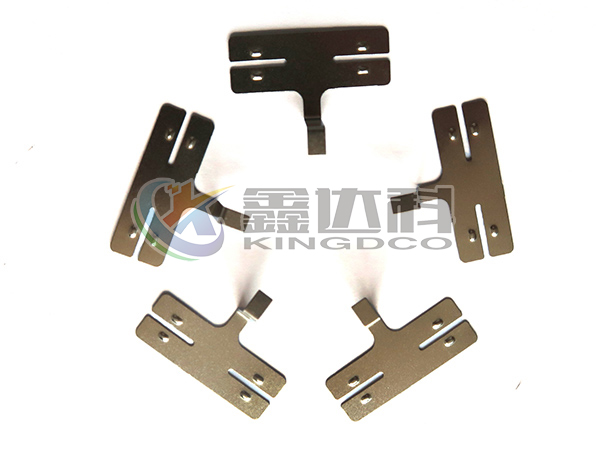
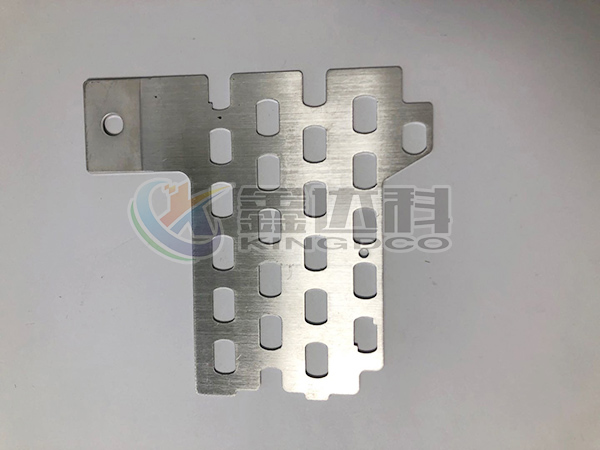
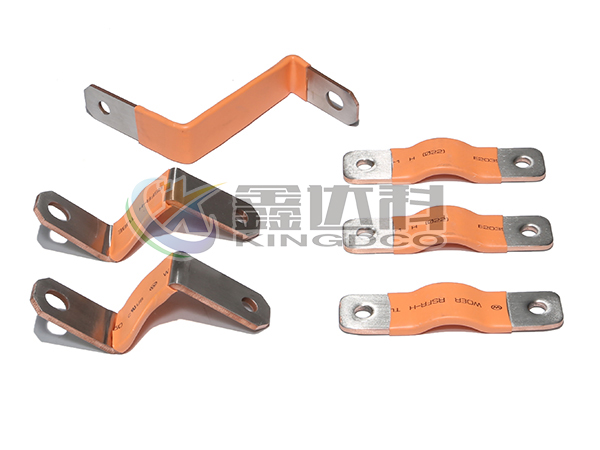
Jiangsu Xindake Connection Technology Co., Ltd. offers you free information and the latest news on battery connectors, battery pack inserts, e-bike battery nickel strips, nickel-plated strips and more. Stay tuned!
Jiangsu Xindake Connection Technology Co., Ltd. offers you free information and the latest news on battery connectors, battery pack inserts, e-bike battery nickel strips, nickel-plated strips and more. Stay tuned!


The electrolyte is an ionic conductor that facilitates conduction between the positive and negative electrodes of a battery, consisting of electrolyte lithium salts, high-purity organic solvents, and necessary components.Additives and other raw materials are mixed in certain proportions. Due to the increasingly wide application of lithium batteries, there are all kinds of lithium batteries.The requirements for its electrolyte will inevitably be different as well. Next, the editor will analyze the key raw materials of lithium batteries in terms of the development trends of electrolytes.
Material — Electrolyte.
1. High specific energy electrolyte
Pursuing high specific energy is currently the biggest research direction for lithium-ion batteries, especially given the proportion of mobile devices in people's lives.As weight increases, battery life becomes the most critical performance parameter.
2. High-power electrolyte
At present, commercial lithium-ion batteries find it difficult to achieve high-rate continuous discharge, mainly due to severe heating of the battery tabs and internal resistance.This leads to the overall temperature of the battery becoming too high, making thermal runaway more likely. Therefore, it is necessary for the electrolyte to maintain high conductivityIt suppresses the battery from heating up too quickly. For power batteries, achieving fast charging is also an important direction for electrolyte development.
3. Wide-temperature Electrolyte
Batteries tend to decompose their electrolyte and experience intensified side reactions between materials and the electrolyte at high temperatures; and at low temperatures,There may be precipitation of electrolyte salts and a multiple increase in the impedance of the anode SEI film. The so-called wide-temperature electrolyte is to make the battery have a wider rangeWork environment.
4. Safe electrolyte
The safety of batteries is mainly reflected in burning and even explosion. First of all, the battery itself is flammable, so when the battery is overcharged or over-When releasing or short-circuiting, when exposed to external pressure or pressure, or when the external temperature is too high, safety accidents may occur. Therefore,Flame retardancy is a major direction in the research of safe electrolytes. The flame-retardant function is obtained by adding flame-retardant additives to conventional electrolytes.Phosphorus-based or halogen-based flame retardants are generally used, and the flame retardant additives must be reasonably priced and not compromise the performance of the electrolyte.
5. Long-cycle electrolyte
Due to the current challenges in recycling lithium batteries, especially power batteries, there are still significant technical difficulties; therefore, improving the battery's lifespanFate is a way to alleviate this situation.The research approach for long-cycle electrolytes mainly has two points: one is the stability of the electrolyte, including thermal stability and chemical stability.Voltage stability; also stability with other materials, requiring stable film formation with electrodes, no oxidation with the separator, and stability with the current collector.No corrosion.
I hope the above sharing is helpful for your use of lithium batteries. Pay attention to safety when using them, as the electrolyte is corrosive.
If you need, you can call us! Thank you for your support!
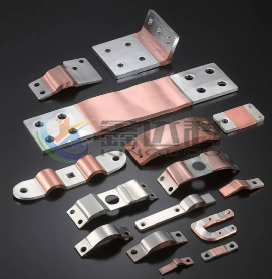
Copper and aluminum busbars are widely used in battery packs. Nowadays, the busbars are mostly made of multilayer copper foil/aluminum foil laminates as the base material, and are fabricated through a...
2026-08-05 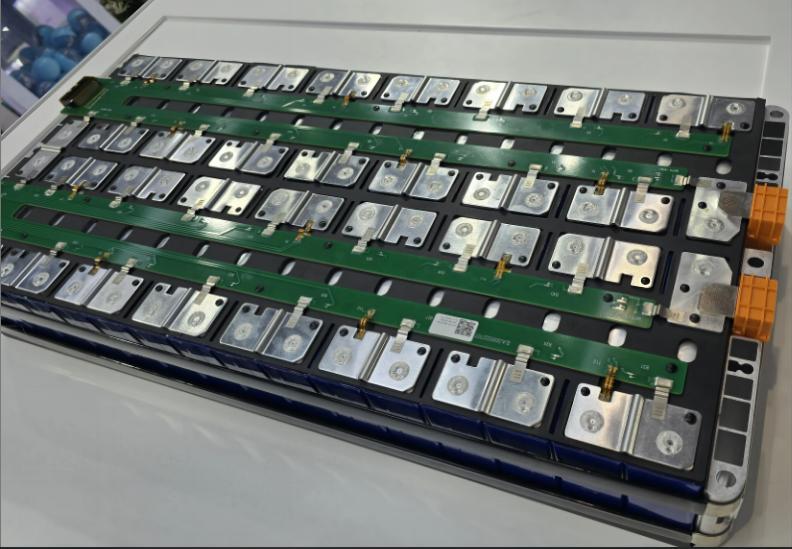
The CCS integrated busbar is mainly composed of signal acquisition components (such as FPC, PCB, FFC, etc.), plastic structural parts, nickel strips, copper busbars, aluminum busbars, etc. These are c...
2025-08-15 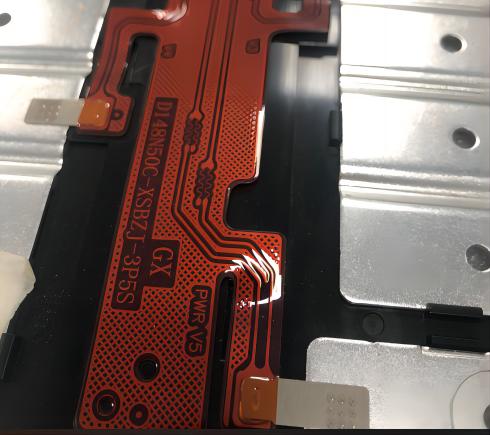
Nickel is a metal with significant industrial value, with a melting point of 1453°C, a boiling point of 3075°C, and a specific gravity of 8.8 g/cm³. It has excellent corrosion resistance, is not easil...
2025-08-15 
Product Name: Power battery soft aluminum busbar, battery module welding flexible connector aluminum busbar, battery soft aluminum busbar Product Material: 1060 O-temper aluminum foil strip, aluminum ...
2023-05-04Phone:
0510-87183933