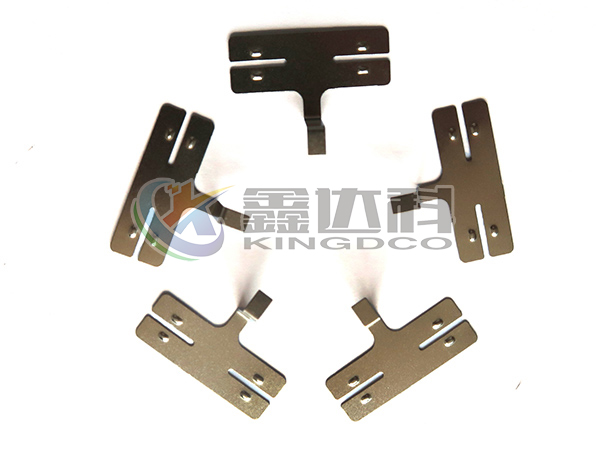
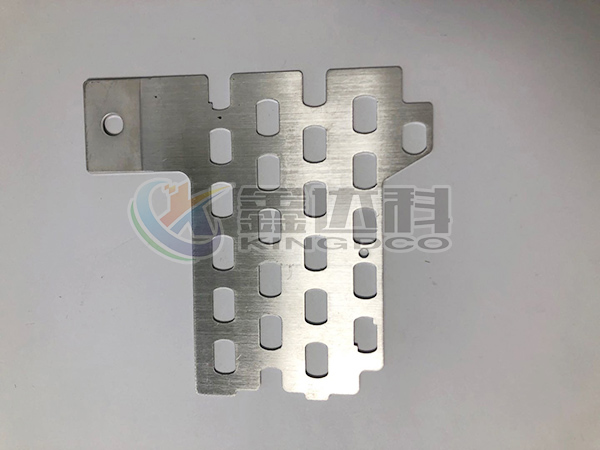
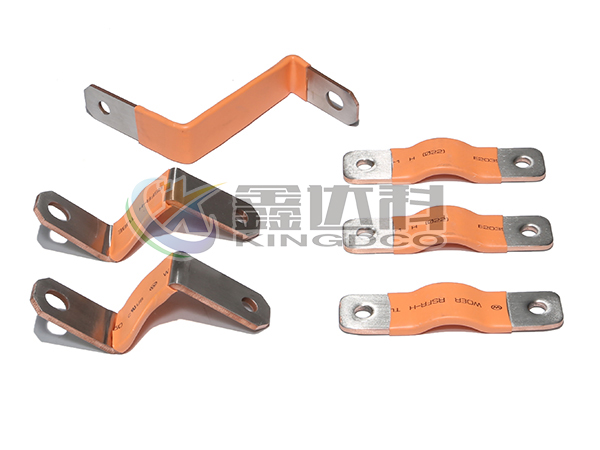
Jiangsu Xindake Connection Technology Co., Ltd. offers you free information and the latest news on battery connectors, battery pack inserts, e-bike battery nickel strips, nickel-plated strips and more. Stay tuned!
Jiangsu Xindake Connection Technology Co., Ltd. offers you free information and the latest news on battery connectors, battery pack inserts, e-bike battery nickel strips, nickel-plated strips and more. Stay tuned!


Nowadays, the application of lithium batteries is becoming increasingly widespread, and many new types of lithium batteries are being researched and developed.
For smartphones, tablets, and electric vehicles, no matter how powerful the hardware is, these products can never escape the limitation of battery life. However, Shin-Etsu Chemical of Japan recently announced that it has successfully developed a new material for lithium-ion rechargeable batteries. This material not only can reduce the size of the battery, but most importantly, it can increase the battery capacity of lithium-ion batteries by ten times. It is expected to go into mass production in 3 to 4 years and will mainly be supplied to battery manufacturers in Japan and abroad.
According to reports, Shin-Etsu Chemical has developed a thin plate material specifically designed for storing electrical energy in lithium-ion batteries. Currently, mainstream lithium-ion batteries use carbon materials. Shin-Etsu Chemical, applying years of accumulated processing technology, has replaced carbon materials with silicone. Although silicone is more expensive than carbon materials, its energy storage capacity reaches ten times that of carbon materials, which can help solve the frequent charging problem for smartphone users.
According to data released by the Japanese private research organization Fuji Keizai, it is forecasted that the global lithium-ion battery market will grow by 50% from 2012 to 2017, reaching 1.7 trillion yen. Currently, the main companies dominating the lithium-ion battery market are South Korea's Samsung SDI and Japan's Panasonic, and nearly 50% of the raw materials used in these lithium-ion batteries are produced by Japanese companies.
On the other hand, China and South Korea are also continuously improving their technological capabilities in the battery field, and they equally possess strong competitiveness. Nowadays, the annual global production of smartphones has exceeded 700 million units, and insufficient battery life has always been a serious flaw of smartphones. Given such a huge market demand, in order to gain market dominance, this high-capacity battery material developed by Shin-Etsu Chemical is indispensable.
Nowadays, many people can't be away from their phones and are part of the 'head-down tribe,' talking less with others. Although the production of phones relies on the application of lithium batteries, we should still put down our phones and take more time to enjoy the beautiful scenery. Thank you for visiting, and please indicate the source if you repost!
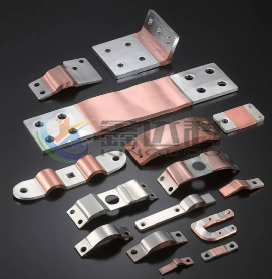
Copper and aluminum busbars are widely used in battery packs. Nowadays, the busbars are mostly made of multilayer copper foil/aluminum foil laminates as the base material, and are fabricated through a...
2026-08-05 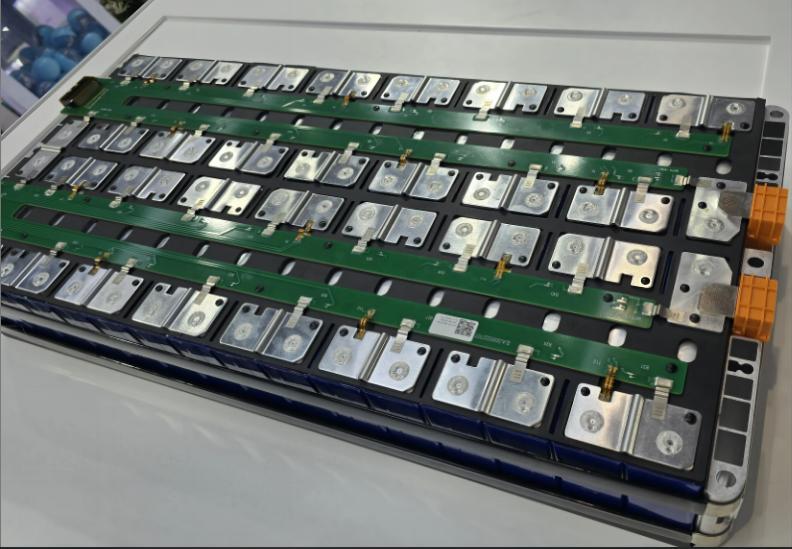
The CCS integrated busbar is mainly composed of signal acquisition components (such as FPC, PCB, FFC, etc.), plastic structural parts, nickel strips, copper busbars, aluminum busbars, etc. These are c...
2025-08-15 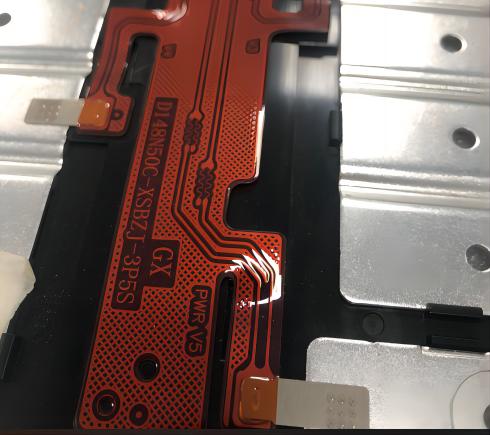
Nickel is a metal with significant industrial value, with a melting point of 1453°C, a boiling point of 3075°C, and a specific gravity of 8.8 g/cm³. It has excellent corrosion resistance, is not easil...
2025-08-15 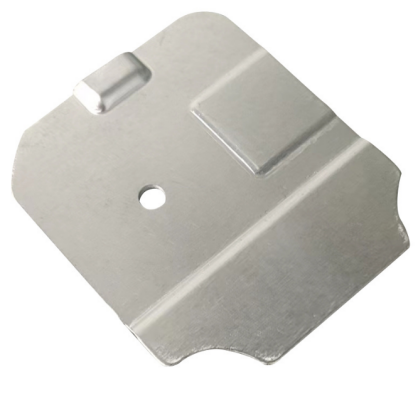
Product Name: Power battery soft aluminum busbar, battery module welding flexible connector aluminum busbar, battery soft aluminum busbar Product Material: 1060 O-temper aluminum foil strip, aluminum ...
2023-05-04Phone:
0510-87183933