Jiangsu Xindake Connection Technology Co., Ltd. offers you free information and the latest news on battery connectors, battery pack inserts, e-bike battery nickel strips, nickel-plated strips and more. Stay tuned!
Jiangsu Xindake Connection Technology Co., Ltd. offers you free information and the latest news on battery connectors, battery pack inserts, e-bike battery nickel strips, nickel-plated strips and more. Stay tuned!


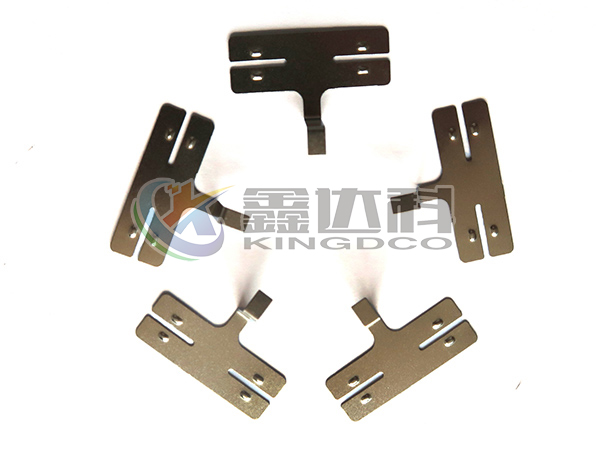
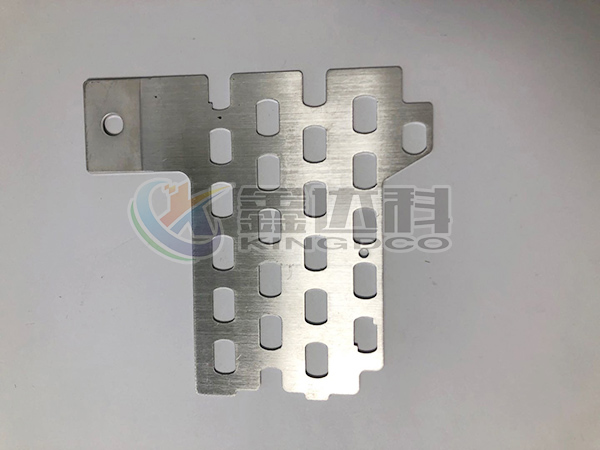
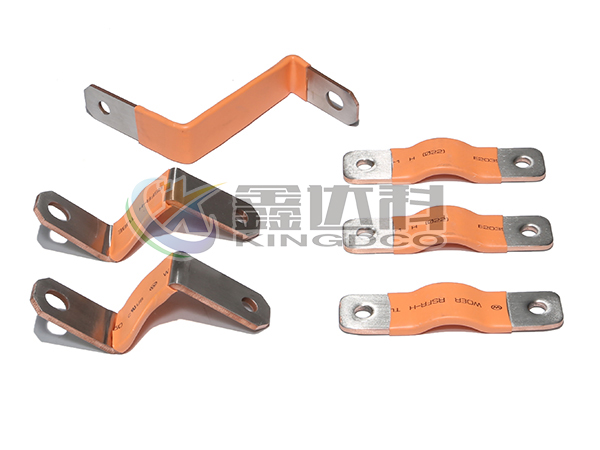
Although electric vehicles are small, they have many functions, with strong capacity for carrying people and goods, and are also a very popular means of transportation! The power of electric vehicles comes from batteries, and the batteries of electric vehicles are composed of several groups, whose composition requiresElectric vehicle battery connector platePowered by the battery, electrical energy is converted into mechanical energy through the controller, causing the motor to rotate. The battery is a core component that people are very concerned about.
Its quality directly determines its lifespan and mileage, but some batteries may fail prematurely due to improper installation. The durability of a battery is somewhat related to its installation. Therefore, today Teacher Xiao Wei will talk to everyone about: how to correctly replace an electric vehicle battery?
1. Remove the battery from the battery case.
Battery compartments all have a box or case. For safety, the sides of the box are always locked. If you try to forcibly 'pull' without unlocking, it’s easy to 'jam' and tear the battery case. First unlock, then pull out the battery case. Generally, battery cases have 'sliding tracks.' When taking out the battery case, let it 'slide out' parallelly. Otherwise, if you pull it and damage the box, it won’t close properly, and touching the battery can damage the battery casing or injure the battery!
The battery case is in two halves, held together by screws. Use a screwdriver to 'loosen' the screws of the battery case one by one. Once you open the battery case, you will see the batteries! Use a 50w~60w electric soldering iron to solder off each connection point of the old batteries. If it's hard to solder, add a bit of solder wire. Once fully melted, the connection wires will come off smoothly!
2: Properly install the new battery.
First, check the battery connection wires—whether the copper core wires have discolored or turned black, whether the insulation layer is damaged, whether the fuse and fuse holder have any burn marks, and whether the discharge hole wiring is firmly connected... Replace them if necessary to prevent hazards such as poor electrical contact causing sparks, short circuits, open circuits, battery burns, positive and negative short circuits, or spontaneous combustion.
A standard battery consists of four cells in a series. The soldering iron should have a power of 50w to 60w. When soldering the battery terminals, do not exceed three seconds. First, tin the battery terminals and also tin the ends of the connecting wires; then the wire ends can quickly 'stick' to the battery terminals. Excessive heat conduction can cause some damage to the battery. After soldering, wrap the battery terminals with insulating tape to prevent the wires from being worn, pulled off, or broken during bumpy rides. Do not invert the battery, and do not press the connecting wires at the battery terminal ends.
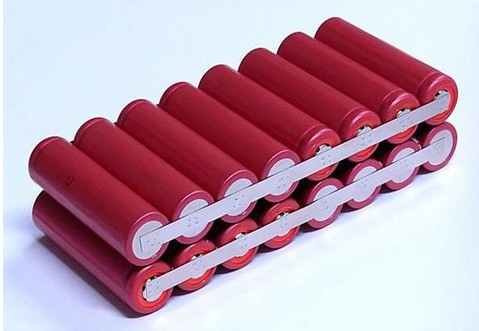
After the batteries are connected, use battery cartons or rubber spacers to separate each battery. This not only prevents the batteries from moving back and forth, but also gives each battery space to dissipate heat from each other! Use screws to "seal" the battery box to prevent water from leaking in due to poor sealing, which is harmful to the batteries. When installing the batteries onto the vehicle, if the battery box moves around in the sliding groove, you need to find a way to fix it. Otherwise, if the battery box shakes, the batteries will shake along with it, which can easily cause leakage and affect the batteries' lifespan!
3. Check if the brake power cut is present.
For the sake of safety and saving battery power, electric vehicles have a function called 'brake power cut.' It cuts off power before braking, which is safe and does not waste electricity. There is a small switch inside the brake handle. When the brake handle is applied, the switch pops out, instructing the controller to cut off the power. When the brake handle returns to its original position, the switch closes, and power is restored normally. However, if the brake power cut fails, it should be repaired. Braking without cutting power can be dangerous; some customers accelerate while holding the brake handle, causing a high current discharge. This not only damages the battery but also puts a heavy load on the controller and motor. Therefore, when changing the battery, it is necessary to check whether the brake power cut is still functioning.
The battery connection of an electric vehicle is still very important, but checking the brakes and inspecting the front and rear wheels of the electric vehicle are also very important! Some electric vehicle brakes have rusty joints that rebound slowly, damaged brake cable housings, or brake pads that are too tight, all of which can create resistance. When there is resistance, friction increases, power is obstructed, electricity consumption accelerates, and the likelihood of straining the battery increases. When changing the battery, the brakes should be checked for rolling resistance as well, to prepare for future after-sales service and allow the battery to release energy freely!
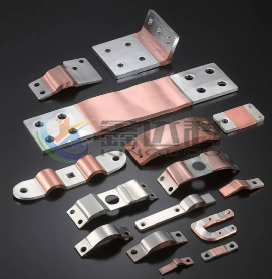
Copper and aluminum busbars are widely used in battery packs. Nowadays, the busbars are mostly made of multilayer copper foil/aluminum foil laminates as the base material, and are fabricated through a...
2026-08-05 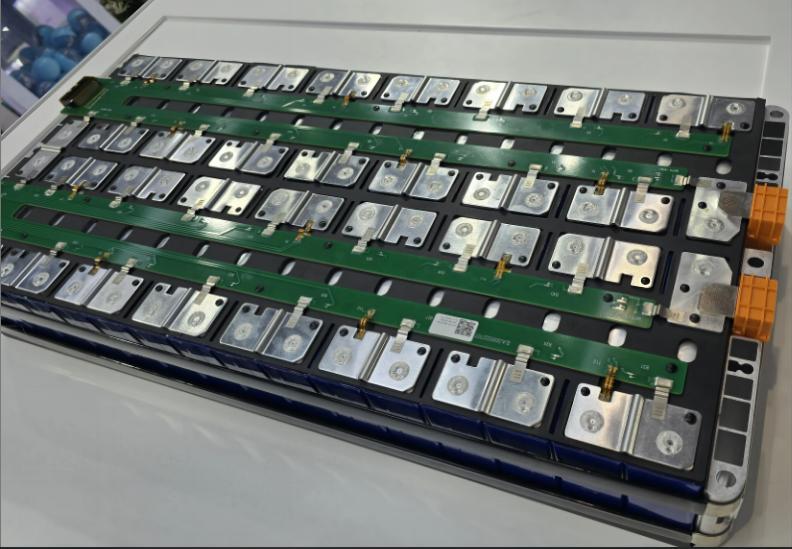
The CCS integrated busbar is mainly composed of signal acquisition components (such as FPC, PCB, FFC, etc.), plastic structural parts, nickel strips, copper busbars, aluminum busbars, etc. These are c...
2025-08-15 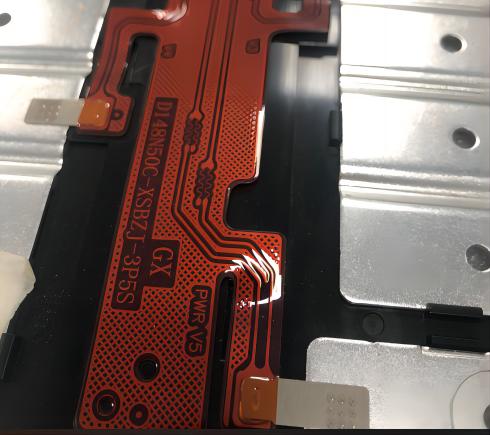
Nickel is a metal with significant industrial value, with a melting point of 1453°C, a boiling point of 3075°C, and a specific gravity of 8.8 g/cm³. It has excellent corrosion resistance, is not easil...
2025-08-15 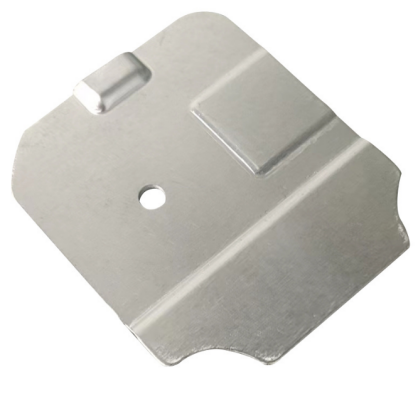
Product Name: Power battery soft aluminum busbar, battery module welding flexible connector aluminum busbar, battery soft aluminum busbar Product Material: 1060 O-temper aluminum foil strip, aluminum ...
2023-05-04Phone:
0510-87183933