Jiangsu Xindake Connection Technology Co., Ltd. offers you free information and the latest news on battery connectors, battery pack inserts, e-bike battery nickel strips, nickel-plated strips and more. Stay tuned!
Jiangsu Xindake Connection Technology Co., Ltd. offers you free information and the latest news on battery connectors, battery pack inserts, e-bike battery nickel strips, nickel-plated strips and more. Stay tuned!


Some customers have asked us about the difference between pure copper braided wire and copper-clad copper braided wire, and why the prices of pure copper braided wire and copper-clad copper braided wire are different. The price of tinned copper braided wire produced by professional manufacturers is higher than that of small workshops.Copper foil flexible connectorsThe reason for telling you these differences is!
Copper-clad copper: The copper core is brass, with a thin layer of red copper coated on the surface of the brass. An example makes it easy to understand, just like the copper-clad aluminum wire that has become well-known in recent years, where the core is aluminum and the outside is coated with a thin layer of red copper. Below is a comparison from various aspects such as density, resistivity, and temperature rise.
In terms of density, copper-clad copper braided wire is lighter than T2 pure copper braided wire. The density of copper-clad copper wire is about 8.3 g/cm³, while the density of T2 pure copper wire is about 8.9 g/cm³. Copper-clad copper is lighter, and with the same wire diameter and model, the length of copper-clad copper is about 1.07 times that of T2 pure copper wire. That is to say, when purchasing 1,000 kilograms of T2 pure copper wire, only 920 kilograms of copper-clad copper is needed to achieve the same length. This means that copper-clad copper can save 4 yuan per kilogram in material costs. The higher the copper price, the greater the price difference between copper-clad copper and T2 pure copper.
Using professional equipment for testing, the conductivity of T2 pure copper is over 96%, and the DC resistivity at 20°C is about 0.018 Ω·mm²/m. The conductivity of copper-clad copper is only 25%-30% of that of pure copper, that is, the conductivity of copper-clad copper is about 24%, and the DC resistivity at 20°C is about 0.055~0.065 Ω·mm²/m. Simply put, what can be achieved with 10 square millimeters of pure copper braided wire would require at least 40 square millimeters of copper-clad copper to achieve the same effect. If you use 10 square millimeters of copper-clad copper braided wire, the possibility of burning through and breaking the circuit increases by 100%. In terms of elongation, a 0.15mm pure copper wire generally has an elongation rate greater than 35%, while the elongation rate of copper-clad copper is generally between 18%-25%.
The T2 pure copper braided wire has a copper content of over 99.95%. It can only be melted at temperatures above 1080 degrees, and high-temperature annealing requires around 500 degrees to soften it, while the cross-section still appears reddish copper. In contrast, the copper-coated braided wire from other manufacturers only has a copper content of about 60%, with a temperature resistance of only about 86% that of pure copper. If you heat it with a lighter, the middle will burst open, and the cross-section appears brass-colored.
Whether tinned copper braided wire can be used depends on the situation. If it is not carrying current for a long time and is replaced every 2-3 months, and there are no requirements for the product's operating temperature rise, then it is also feasible. It's like an exam: some people want to score 100, while others only need to pass with a score of 60.
What are the applicable applications for copper-clad copper?
1) Suitable for parts of power lines and control cables where low resistivity is not required.
2) Suitable for wire products requiring resistivity to meet national standards or UL requirements, and can be mixed with pure copper at a ratio of about 20%~30%;
3) Braided shielding layer applicable to all cables;
4) Cables suitable for medium and high frequency signal transmission, such as coaxial cables and audio-video cables.
5) Communication cables suitable for short-distance transmission.
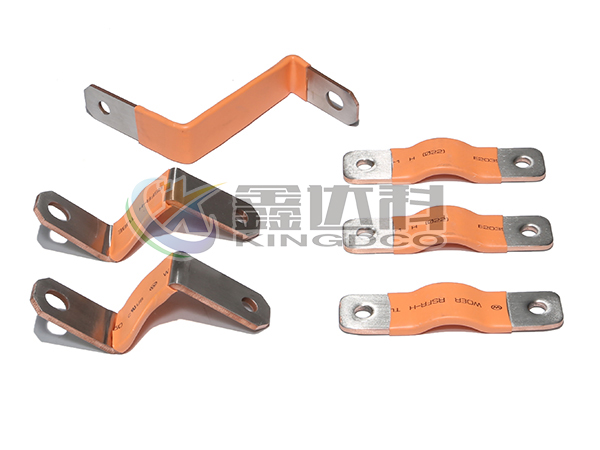
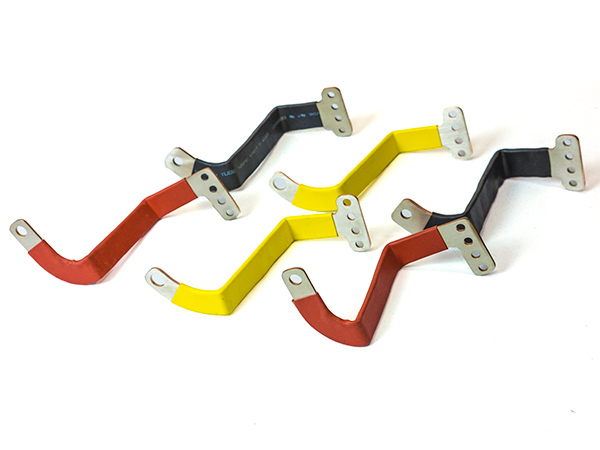
Yixing Xindake New Energy Technology Co., Ltd. is a professional copper busbar manufacturer that produces high and low voltage accessories such as copper foil flexible connectors and stamped parts. Copper foil flexible connectors are made using multiple processes, including molecular diffusion welding, acid-free silver plating, CNC unequal length material cutting, and oxidation-free welding, and are constructed from multiple layers of copper tape or strands of copper wire woven together.
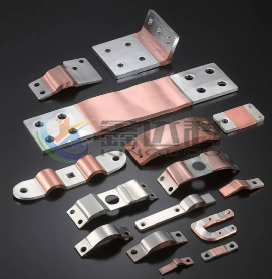
Copper and aluminum busbars are widely used in battery packs. Nowadays, the busbars are mostly made of multilayer copper foil/aluminum foil laminates as the base material, and are fabricated through a...
2026-08-05 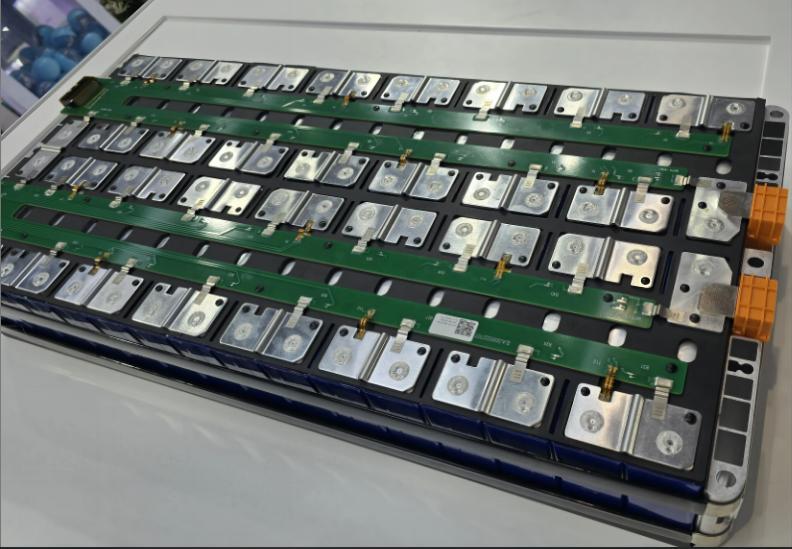
The CCS integrated busbar is mainly composed of signal acquisition components (such as FPC, PCB, FFC, etc.), plastic structural parts, nickel strips, copper busbars, aluminum busbars, etc. These are c...
2025-08-15 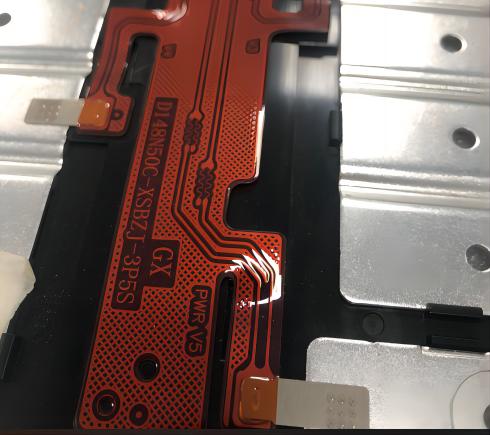
Nickel is a metal with significant industrial value, with a melting point of 1453°C, a boiling point of 3075°C, and a specific gravity of 8.8 g/cm³. It has excellent corrosion resistance, is not easil...
2025-08-15 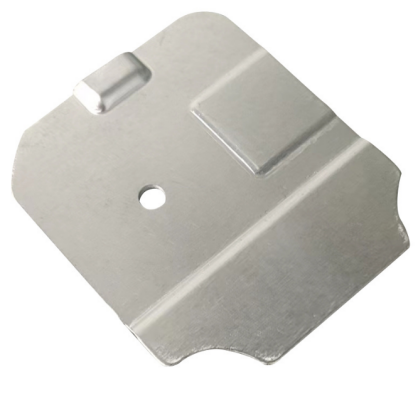
Product Name: Power battery soft aluminum busbar, battery module welding flexible connector aluminum busbar, battery soft aluminum busbar Product Material: 1060 O-temper aluminum foil strip, aluminum ...
2023-05-04Phone:
0510-87183933