Jiangsu Xindake Connection Technology Co., Ltd. offers you free information and the latest news on battery connectors, battery pack inserts, e-bike battery nickel strips, nickel-plated strips and more. Stay tuned!
Jiangsu Xindake Connection Technology Co., Ltd. offers you free information and the latest news on battery connectors, battery pack inserts, e-bike battery nickel strips, nickel-plated strips and more. Stay tuned!


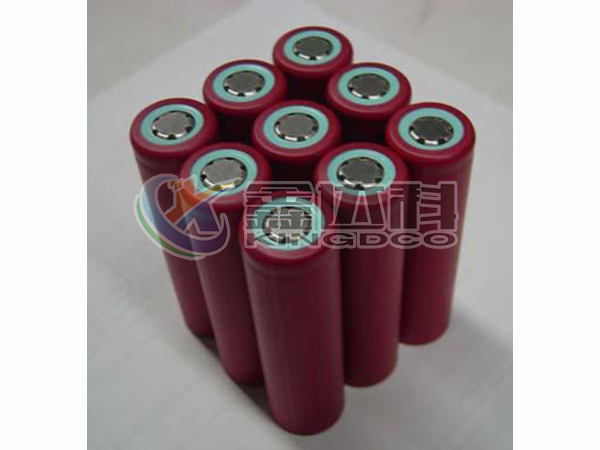
The negative electrode refers to the end of a power source with a lower potential (voltage). In a galvanic cell, it refers to the electrode where oxidation occurs, and in battery reactions, it is written on the left side. From a physical perspective, it is the pole from which electrons flow out in a circuit. As for negative electrode materials, they refer to the raw materials that make up the negative electrode in a battery. Currently, common negative electrode materials include carbon-based negative electrode materials, tin-based negative electrode materials, lithium-containing transition metal nitride negative electrode materials, alloy-type negative electrode materials, and nanoscale negative electrode materials.
Research Progress on Anode Materials for Lithium-Ion Batteries
The anode of a lithium-ion battery is made by mixing anode active material, either carbon or non-carbon material, with a binder and additives to form a paste, which is uniformly coated on both sides of a copper foil, then dried and rolled. The success of making a lithium-ion battery depends on whether an anode material that can reversibly deintercalate/intercalate lithium ions can be prepared.
Yixing Xindake New Energy Technology Co., Ltd. is professionally dedicated to the research and production of a variety of products including copper foil flexible connectors, stamping parts processing, copper busbars, plastic-immersed flexible connectors, lithium battery anode materials, and foil flexible connectors, available for you to choose from. Consultation hotline: 0510-87183933.
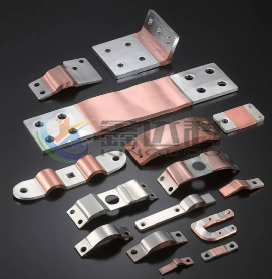
Copper and aluminum busbars are widely used in battery packs. Nowadays, the busbars are mostly made of multilayer copper foil/aluminum foil laminates as the base material, and are fabricated through a...
2026-08-05 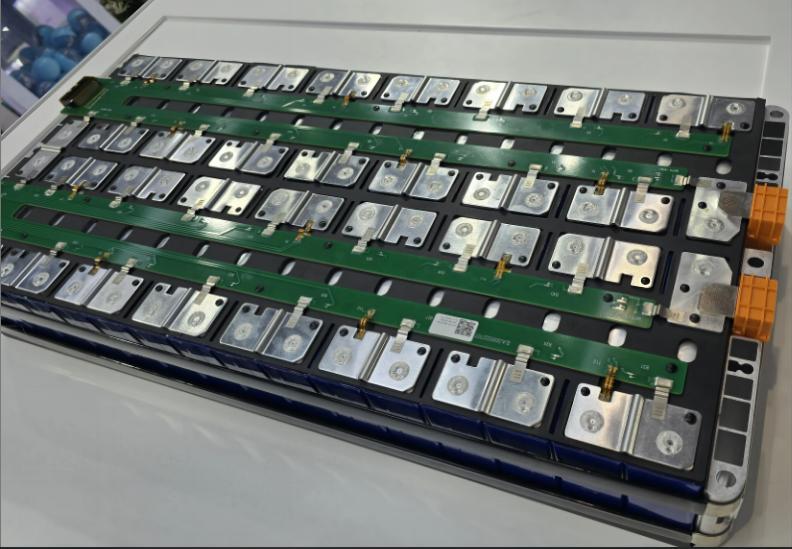
The CCS integrated busbar is mainly composed of signal acquisition components (such as FPC, PCB, FFC, etc.), plastic structural parts, nickel strips, copper busbars, aluminum busbars, etc. These are c...
2025-08-15 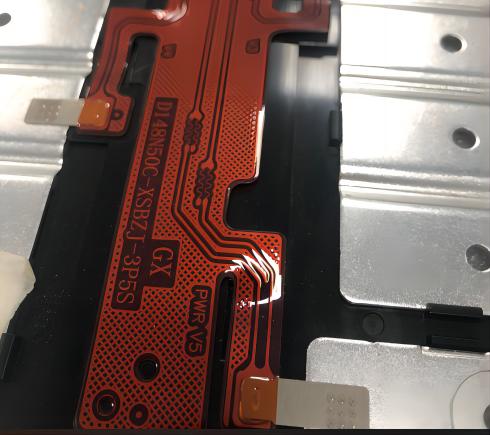
Nickel is a metal with significant industrial value, with a melting point of 1453°C, a boiling point of 3075°C, and a specific gravity of 8.8 g/cm³. It has excellent corrosion resistance, is not easil...
2025-08-15 
Product Name: Power battery soft aluminum busbar, battery module welding flexible connector aluminum busbar, battery soft aluminum busbar Product Material: 1060 O-temper aluminum foil strip, aluminum ...
2023-05-04Phone:
0510-87183933